The importance of reliable narrators
In my recent interview with The Artist’s Office, there was a question about artists who exaggerate their accomplishments. I responded that in my experience with clients, I haven’t run into this too much. It tends to be a symptom of sales-driven marketing language about artists. So-and-so is either “one of the most important painters of their generation,” or “redefining sculpture in the 21st century.”
Press releases in the art world are filled with these types of unverifiable claims. This is what salespeople do. They sell. They make big claims about their artists to attract the interest of collectors, justify market prices, and drive demand for their inventory. Not that there’s anything wrong with that.
But the risk is that sales teams are seen as unreliable narrators about their artists. Holden Caulfields living in a world of their own making, trying to persuade the world that the way they see their artists is the way their artists should be seen.
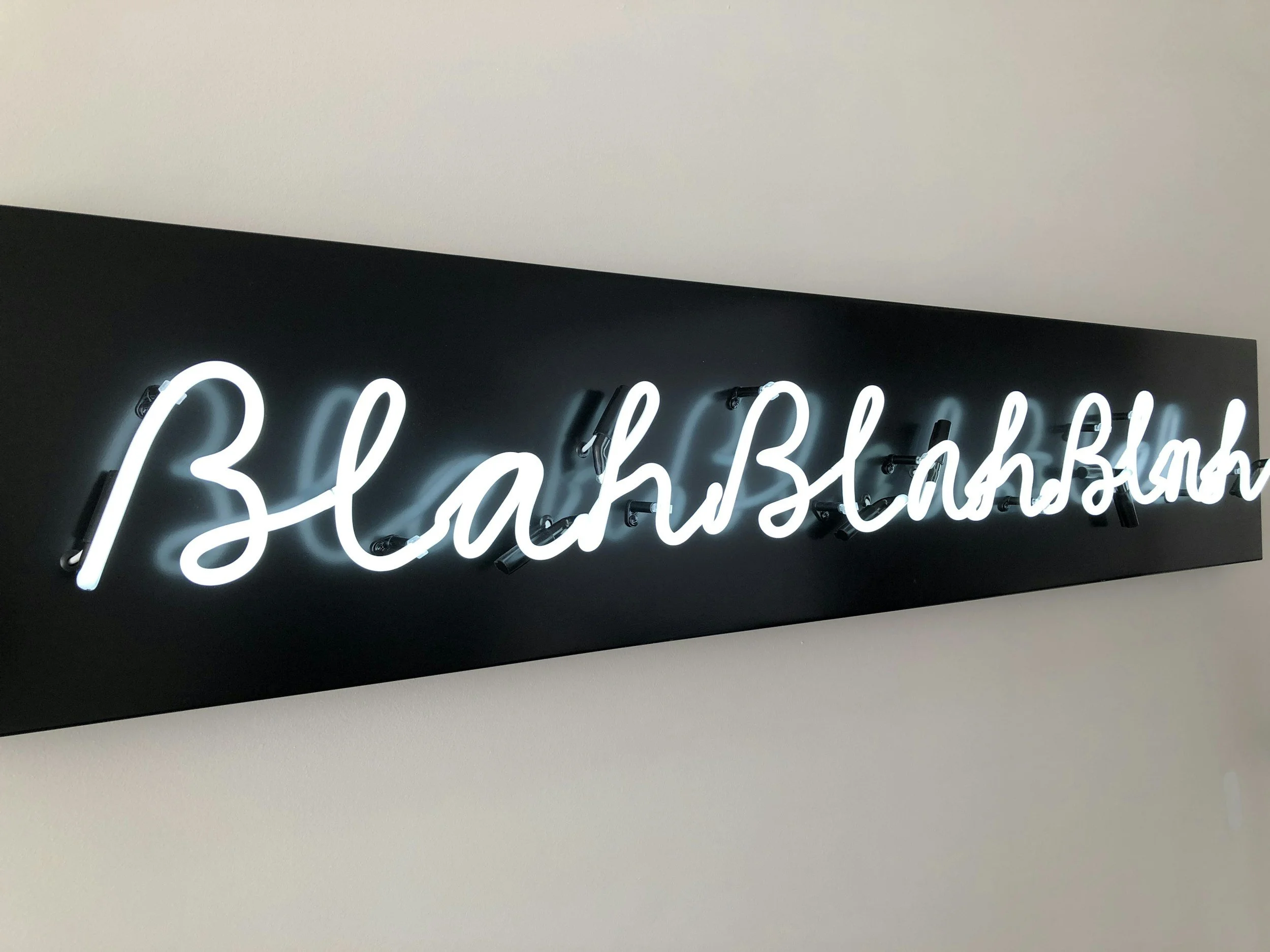
Sales language is unreliable.
Salespeople understand this. They have enough experience to know that institutional partners and press outlets take the financial relationships that galleries have with their artists into consideration when reading a gallery exhibition text. It’s already priced in.
This puts you, as an artist, in the position where you spend time and energy educating sales teams about your work, informing them about the evolution of your practice, your experiments with material and technique, and these messages get distributed within a limited bandwidth because they’re tailored to the specific needs of sales teams.
In the end, the people who matter most in building the historical narratives and legacies of artists — institutions and journalists — aren’t paying as much attention to that channel, and your resources have already been spent. Writers and curators need to build up their own opinions and understanding of your work, putting more demands on you and your time. PR is a way to add another voice into this conversation with a level of reliability that serves your artist messaging needs.
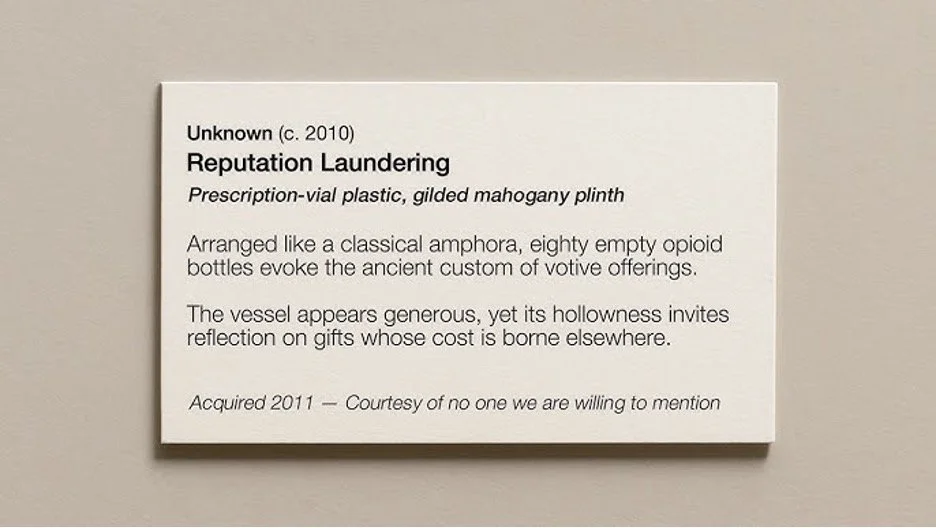
Case studies as a reliable narrator
I offer free consultations, and whenever I’m introducing a prospective client to my work, I like to reference two particular examples where my work has had a quantifiable long-term impact on the narratives of artists.
This past year, I received an ad on Instagram for a manufacturer of house paint that uses environmentally friendly materials. Curious, I clicked on their profile, and as I scrolled through their recent posts, I saw the image of a work I was very familiar with. Years ago, I had written a didactic text about this painting, and here it was, in my feed half a decade later, with my writing, word for word, as its caption. The text was clear. It included strong formal analysis and made reasonable claims about what the artist had accomplished with the piece.
Another time, I had prepared informational text for a curator about an artist’s work. It was meant to be educational, doing some of the hard work of getting to know the art that would be in an exhibition without having to spend hours talking to the artist. I knew the artist’s practice better than the curator, and I saw it as my job to share that expertise. A couple of months later, the exhibition opened. As I was browsing the exhibition website, I noticed that they had used my text for their didactic wall labels. There was no expectation that they would do so, but they saw the value in the way I presented the work, and the curator decided to use my language.
When writing addresses the work on its merits, rather than its sales value, people listen. It gets reused not because it flatters or inflates but because it adds clarity. Its usefulness is its reliability.