Interview with The Artist’s Office
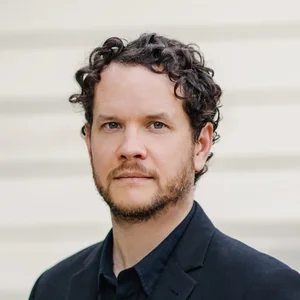
This week, we had the privilege of talking with Virginia Broersma of The Artist’s Office. We talked about the importance for artist’s of taking an active interest in how the public record reflects their work and career and how the tools of public relations create opportunities for artists to actively participate in the art historicization of their own practice.
Virginia and I had a really great conversation that covered a range of topics that young artists, especially, need to be thinking about as they build their careers.
Read an excerpt below, and click here to read the full interview:

Virginia Broersma: Tell me about Artist Communications Agency.
Stewart Campbell: Artist Communications Agency is a strategic communications consulting business. What that means is that I work with artists and artist-run organizations to help navigate the various tools and techniques for telling the story of their practice whenever they or their work comes in touch with the public.
I use the term "strategic communications" to distinguish it from PR. PR is a function of strategic communications — one of those tools for telling the story — but strategic communications can include advice on marketing, websites, Wikipedia pages, image licensing, artist statements and biographies, didactic texts, info packs, and social media strategies; any way that an artist is presenting, or allowing others to present, themselves or their work to the public.
All of the choices that artists make in relationship to these public-facing moments accumulate into the historical record. I like to talk about strategic communications as the process of writing contemporary art history…
VB: Do you ever have artists that want you to convey an aspect of their practice or their work that you think is unfounded? I've seen artists that really inflate the language that they use around their work and wonder about the ethical boundary.
I don't think that I've encountered that with the artists that I’ve worked with personally, but I have noticed that more generally. In my experience, this usually seems to come from a sales marketing approach to talking about artists.
If I were to encounter that, I would typically offer a different way of saying what they're trying to communicate because credibility is important. Otherwise, people are going to stop listening to what you're saying about yourself.
If you get to a point where people think you have an unrealistic sense of your own accomplishments, then that's another way of losing control of the narrative.